

Your website gives consumers a sneak peek into your business, so what does your website say about you? Is it cluttered and hard to navigate? Outdated? Full of dull copy that puts visitors to sleep? If you answered yes to any of the above questions, then you may be overdue for a website update and/or complete overhaul of your website because you’re losing potential customers before they even step foot into your business.
These are the essential things every small business website needs to have, regardless of size, niche or audience, to make a good first impression.
1. A Great Visual Layout
The adage people eat with their eyes first also holds true with websites too. People first look, then read. Your website should reflect your professionalism versus look cobbled together because you own a credible, thriving business and your website should reflect it.
Here’s another harsh truth: visitors make snap judgments about your business based on their first impression, regardless of whether it’s an accurate assumption, and the first place they visit to learn about you is your website. This is why it’s critical that your website evokes feelings of confidence and demonstrates your ability to meet your target audience’s needs, whether providing education, entertainment or solving a problem for them.
The Bottomline: A visually appealing and cohesive website gives a winning first impression and encourages visitors to learn more.
2. Intuitive Navigation
Do not make it hard for consumers to find what they seek because there are literally thousands (if not millions) of other websites vying for their attention. Visitors shouldn’t have to jump through hoops (or get carpal tunnel clicking through your site) to find the information they want from you. At the same time, don’t put every keyword and category on your homepage or sidebar either. It looks messy. Take the time to thoughtfully map your website to ensure that visitors can navigate your site with ease because frustrated consumers leave and don’t come back.

3. Engaging, High-Quality Copy
An appealing layout is a good, necessary start, but it’s also not enough to pique their interest with good visuals. Content matters too. In other words, don’t frustrate visitors with lackluster copy that doesn’t engage readers. This rule applies to every site, regardless of your business.
Your goal is to provide enough information so visitors can make informed decisions about whether to do business with you. The copy on your website should answer the following:
- Who are you?
- Why are you an authority?
- What products and/or services do you offer?
- How can you assist me?
The most common mistake I see is too little or too much information. One trick is to think about what you want to achieve in every section of your website. Is it to establish your authority and expertise? Or for the visitor to make an online purchase? Or to schedule an appointment? Something else? Now determine the information needed to fulfill your goal or objective.
Too often I see small business owners settle for poorly, written copy, not realizing the role great copy plays in driving sales. Don’t make that mistake. Make the investment in your business and hire a professional copywriter to get your copy just right.
The Bottomline: Engaging, informative copy leads to sales, while undescriptive or rambling copy does not.
4. New Content and/or a Blog
A stagnant website quickly turns into a dying website. Yes, I know it can be frustrating to hear this when you already have 110 jobs on your to-do list and adding new website content regularly is the last thing you want to do. I get it; seriously, I do. But new content matters to readers (besides letting them know that you’re still open for business, it continually reminds them of your established authority and credibility). Most importantly, it matters quite a bit to Google too. You don’t need to add new content every day or even every week but put together a thoughtful strategy on how you will regularly engage with clients and demonstrate your authority.
5. Social Media
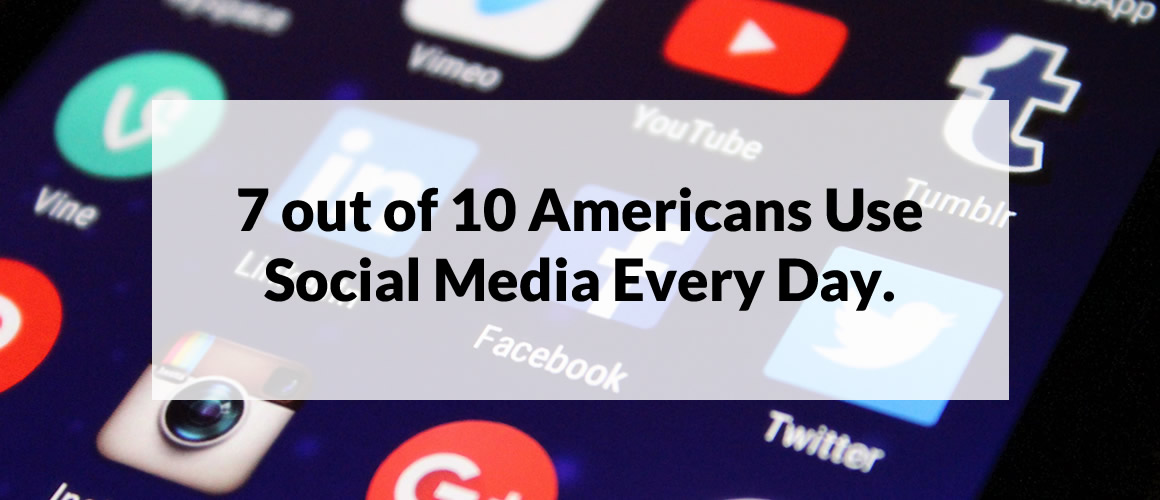
Some of you are groaning right now. You’re not surprised that social media is essential but it seems like a huge pain in the you know what. But here’s the reality of not being on social media: you’re missing out on connecting with current and prospective clients. Unless you have empirical proof that your clientele does little on social media, don’t overlook it. Done right, it can be an incredibly, powerful marketing tool. And remember – you don’t need to join every single social media platform. Do some research. Which platforms does your targeted audience most use? What platforms do your competitors use?
Insert Link
6. Contact Information
Your website is the gateway to your business and you, so make sure consumers know how to find you or reach you. You don’t want to make them spend five minutes trying to figure out where your business is located or your phone number or email address. Make it easy to find at a glance. Ideally, visitors should either see the information on every page or a quick link to the information.
7. SEO Optimization
Some of you are scratching your head right now, unsure of what SEO even is and why you should even care about it. Search Engine Optimization (SEO) in the simplest terms is how Google or Yahoo or any search engine finds and ranks your business in search results. Oh. Now you’re interested. Good. There are multiple factors to take into consideration when optimizing content for SEO, which I’ll cover in more detail in a future post, but right now the two most important things to remember are to write quality content for consumers and to use good keywords. Don’t write for search engines; don’t keyword stuff. Google and clients know when you do.
8. Solid Security Protocol
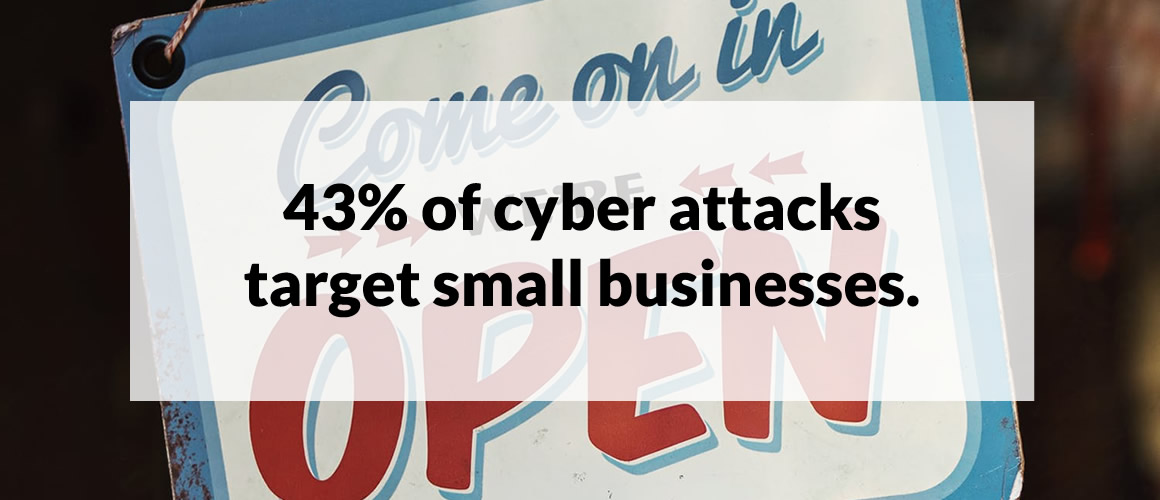
You cannot overlook protecting your website. When visitors give you personal information, whether to sign-up for a newsletter or to buy a product or to ask a question via your contact form, they trust you to keep their information private and safe. When something happens that puts their information at risk, you not only open yourself up to lawsuits but lose the trust of clients as well. Some very basic steps to take include: strong, long passwords (update them regularly), utilize a limit log-in plug-in (helps stop brute force attacks), use SSL to encrypt data (a lot of hosting companies offer a free certificate) and back-up your website regularly.
Insert statistic link
9. Good Hosting
There are a ton of hosting companies out there, some with very recognizable names and ad campaigns. But not all hosting companies are created equal and frankly what every small business website needs are not always the same either. Ideally, your hosting company should be readily available to answer questions, have very respectable up-times, fast page loading and good security. Yup, you need to secure your own website but that won’t do much good if your hosting company is lax with their security.
10. Legal Stuff
It’s not sexy and it’s a bit time-consuming but make sure you have all your legal “stuff” covered. These days most websites need at least a basic privacy policy to a comprehensive privacy policy (i.e. written by a lawyer), depending on where you do business (or more importantly where the clients you do business with live) and the personal information you collect from visitors. All legal disclosures should be easy to find, including terms and conditions, disclaimers or whatever your business’s legal requirements are.
Tanya

 Web Design
 Creative Writing
 Marketing Collateral
 Site Maintenance